The Maldives: little islands, big Tourism
 0
0 


Like many island nations in both the Pacific and Indian Oceans, the Republic of Maldives consists of a variety of peoples and ethnicities as well as a short history as an autonomous democracy. However, what makes the Maldives different, indeed, what defines this tiny country is not its history or its people. Rather it is the Maldives unique environment, and how they use it to attract visitors, that defines the archipelago nation.
As you might well imagine, the island republic was not always amenable to outsiders nor was it even thought of as a destination until quite recently. How did the Republic of Maldives go from an unheard of string of islands into a place where tourism reigns? What lessons can Hainan (China’s own tropical retreat) learn from the Maldives, especially when it comes to attracting more international visitors?
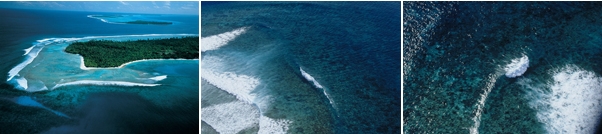
In ancient times, the Maldives were extremely well known for their sea shells, rope, dried fish, grey amber, and palm leaves. Now, however, their economy is quite different. Beginning in 1972, the Maldives has transformed itself from merely a beautiful chain of coral islands into a thriving tourism destination.
According to the Embassy of Maldives in China, the first resorts were not built with a broad plan or with any kind of regulation. However, as the government realized the opportunities and impacts, they began to implement regulations that emphasize sustainable tourism and, most recently, attempt to bring resorts to all of the islands, so that more Maldivians can enjoy the benefits of an industry that accounts for almost one third of their GDP.
Interestingly enough, whereas in the 1960s the United Nations claimed that Maldives was not suitable for tourism, they now hold the Maldives as a model for sustainable tourism.
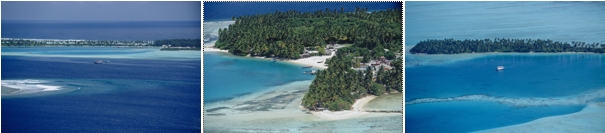
While the natural beauty of their islands might be their greatest attraction, and therefore strength, it is also their greatest weakness. According to Embassy of Maldives in China, they are exceptionally prone to major impacts on the industry even with small changes to the environment.
“In the case of natural disasters or environmental catastrophes,” their spokesperson says, “Maldives is completely un-guarded and un-equipped to deal with such a situation due to its extreme vulnerability and dispersed geography.”
In 2004, the tsunami greatly affected the Maldives’ tourism industry. The Maldives Tourism Promotion Board claims that this was in many ways due to the international media’s negative coverage of the event. They saw the number of tourists drop by 35% from 2004 to 2005. However, after a heavy media campaign involving “familiarization tours”, they saw tourism recover with 52% growth from in 2006.
Although media was definitely a factor, the infrastructure was also severely affected. Only nine islands were reported as to have escaped flooding, fifty-seven islands faced serious damage, fourteen had to be evacuated, and six were destroyed. The total damage was estimated at more than 400 million US dollars, or about 62 percent of the GDP.
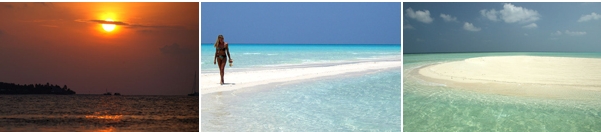
In the end, its not only the natural beauty that has ensured Maldives’ success as a world class destination, but also the implementation of various policies meant to encourage each island to develop itself. For example, the Maldivian government does little intervention in the operation and construction of each resort. Instead, they allow market forces to shape a competitive industry. And with a total of 80 resort islands presently, there certainly is a lot of choice for the consumer.
Also, given the fragile nature and limited space of the archipelago, the Maldives has deliberately cultivated a sense of exclusivity. Their Tourism Board says, “Maldives has ensured that its tourism remains exclusive rather than cater to the masses, whereby making it possible for the Maldives to maintain its fragility, uniqueness and sustainability.”
|
|
|
Photo Courtesy of George Fisher |
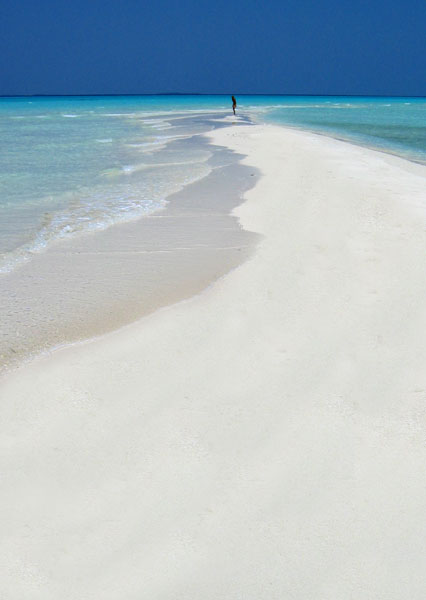
The Republic of Maldives certainly sets a good example for other, especially tropical, countries when establishing a thriving tourism industry. Through a system of competition, a firm commitment to protecting its natural beauty, as well as an emphasis on world class accommodation and service, they have shown how international tourists can be repeatedly drawn to the country.


Go to Forum >>0 Comments